Discover Cardboard Boxes for Fruit and Vegetables for Safe Transportation
Crafting Perfect Bespoke Fresh Produce Boxes: A Progressive Walkthrough
Designing specialized fruit and vegetable boxes demands a strategic strategy. Specialists must examine environmental responsibility, functionality, and visual appeal. Selecting the suitable materials is crucial for preserving quality and promoting eco-friendly methods. Furthermore, dimensions and configuration can significantly impact ease of use and shipping effectiveness. Compelling graphics strengthen brand recognition, while thorough assessment guarantees durability. Understanding these elements will uncover key understanding into creating exceptional container strategies that appeal with customers. What comes next is vital to accomplishing those targets.
Choosing the Right Components for Custom Produce Boxes
When considering materials for custom produce boxes, it is crucial to review both usefulness and sustainability. The selection of material significantly determines the box's durability, weight, and capacity to protect the contents. Common materials include corrugated cardboard, which offers strength and is recyclable, making it a popular choice for eco-conscious businesses. Biodegradable options, such as molded pulp or plant-based plastics, also support sustainable practices while delivering appropriate protection for delicate produce.
In addition, moisture resistance is essential for sustaining product quality, motivating some creators to examine conditioned compounds or tailored protective barriers. The aesthetic appeal of the box requires attention, as brand identity and visual communication can sway consumer perception. Ultimately, the optimal choice should maintain proportion between protecting the produce, appealing to customers, and following ecological standards, making sure that effectiveness and environmental consciousness are stressed in the planning phase.
How to Pick Size and Shape for Functionality?
When choosing the dimensions and form of custom produce boxes, thorough evaluation of produce dimensions is crucial for effective storage. Additionally, attention to movement and transportation can affect the box design, ensuring ease of movement. Optimizing storage space utilization further improves functionality, allowing for efficient display and storage.
Review Produce Dimensions With Care
Assessing the right size and shape for vegetable boxes is fundamental for functionality and efficiency. Thorough measurement of produce dimensions is indispensable, as it guarantees that goods fit firmly without surplus room that could produce damage during storage or transport. Bespoke boxes need to accommodate various shapes, from delicate berries to heavy vegetables, while sustaining structural integrity. Furthermore, the depth and height of the boxes should enable stacking and organization, making full use of space in storage areas. A well-designed box not only protects the produce but also enhances consumer attraction for buyers. To sum up, measured analysis of dimensions assists in minimizing losses and advancing buyer experience in the product supply chain.
Consider the Oversight of Handling and Transport
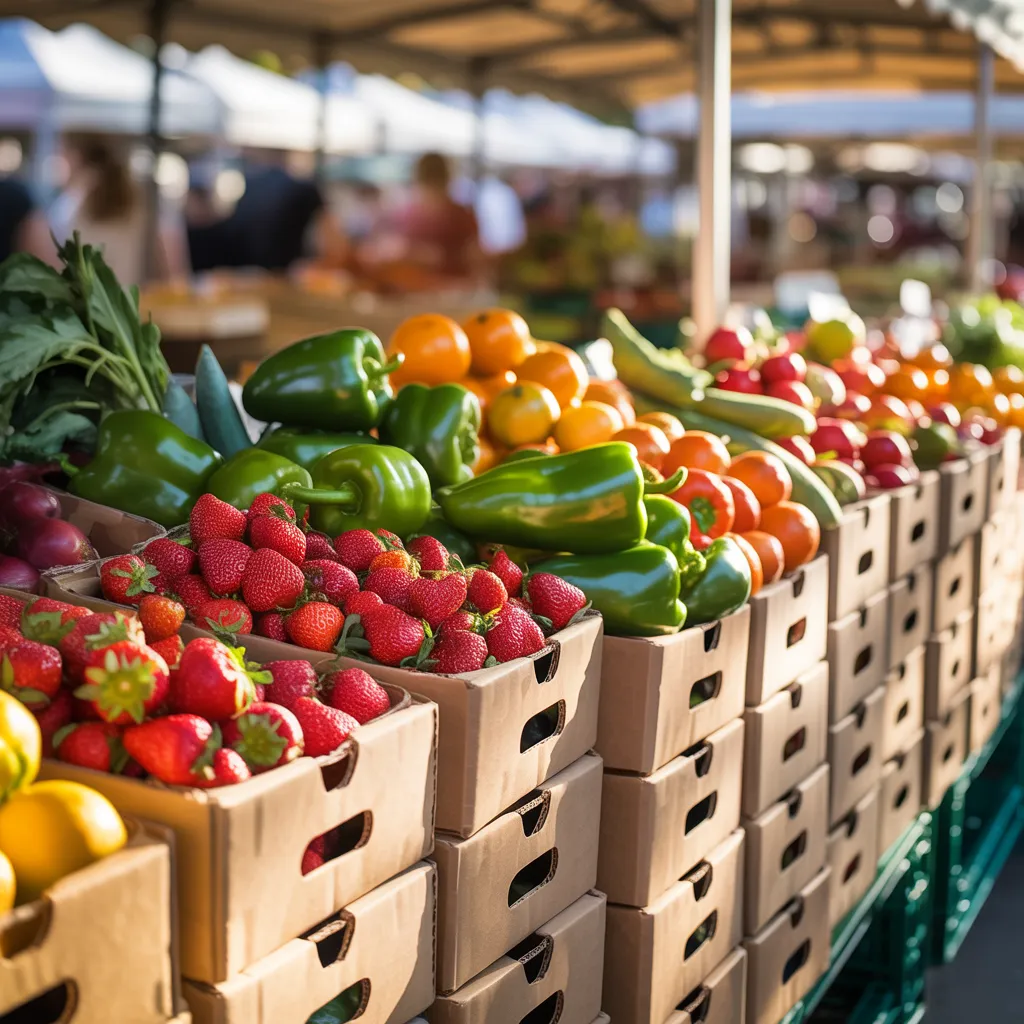
Handling and shipping factors play a significant role in determining the suitable size and shape of custom fresh product boxes. The measurements must fit the fresh items without unnecessary space, which could lead to shifting and damage during transport. Compact, smaller boxes enable easier handling, while larger boxes may be necessary for bulkier items. Additionally, ergonomic design is crucial; handles or openings should be carefully placed to allow for comfortable lifting and carrying. The shape of the box also affects stacking and stability, ensuring that products remain protected. Ultimately, careful consideration of these elements enhances the effectiveness of transport, reduces product loss, and maintains the overall integrity of the produce from farm to consumer.
Improve Retail Space Optimization
Effective shelf space usage is based on determining the proper form and dimensions of purpose-built storage containers. Specialists should factor in the dimensions of the storage shelves as well as the sorts of vegetation being positioned. Standard-shaped boxes often solidify space optimization, permitting for easier arrangement and stacking. Alternatively speaking, irregular designs can heighten visual appeal but may result in unutilized gaps if not meticulously planned.
It's crucial to evaluate the stock movement metrics; quick-selling products might benefit from compact, readily reachable containers. Furthermore, incorporating adjustable or modular designs can support varying sizes of produce while optimizing shelf organization. By prioritizing practical design combined with visual appeal, companies can develop a practical and visually appealing display that enhances both ease of access and item prominence.
How to Make Images That Draw Attention?
Striking graphics can convert a simple custom produce box into a artistic creation that grabs attention. To achieve this, designers should begin by picking a color palette that demonstrates the crispness and liveliness of the produce. Bold, attention-grabbing colors can evoke feelings of freshness and vitality, pushing consumers to take a closer look.
Bold typefaces is also essential; clear and legible fonts can effectively communicate essential information while strengthening visual appeal. Additionally, leveraging high-quality images of the merchandise can create an immediate connection, showcasing the product's quality and enticing potential buyers.
In addition, incorporating unique patterns or illustrations can assist in distinguishing the brand in a crowded market. Uniformity in visual aspects, such as logos and taglines, supports brand identity. Ultimately, a mixture of creativity and clarity in visual design can greatly elevate the influence of custom produce boxes, making them stand out on shelves.
Eco-Friendly Practices for Custom Produce Box Wrapping
An increasing number of companies are implementing environmentally sustainable practices for custom produce box packaging, acknowledging its significance in today's environmentally conscious market. These practices often encompass the use of biodegradable materials, such as recycled paper and plant-based plastics, which minimize environmental impact. Companies are also concentrating on sustainable sourcing, guaranteeing that materials are obtained from responsibly managed forests or suppliers who prioritize environmental stewardship.
Additionally, many brands are choosing simple layouts that reduce waste while still effectively displaying their products. This approach not only relevant information attracts eco-conscious consumers but also helps in cutting down production costs. Moreover, businesses are progressively adopting efficient manufacturing processes that limit energy consumption and waste generation. By integrating these eco-friendly practices, companies not only enhance their brand image but also contribute positively to the planet, aligning their operations with a sustainable future.
Validate Your Custom Produce Box Configuration
Testing the design of custom produce boxes is an essential step in ensuring they meet both aesthetic and practical requirements. This procedure typically involves evaluating elements such as durability, size, and user-friendliness. First, samples should be created to evaluate the box's physical stability, making certain it can endure transportation and storage without compromising the products.
Next, usability tests can be performed to determine how easily the boxes can be opened, sealed, and arranged. Input from prospective customers can be invaluable in this stage, offering insights into the box's functionality.
Moreover, the visual attractiveness of the design should be tested through focus groups or surveys, gauging customer feedback to brand identity elements, hues, and overall presentation.
In the end, thorough evaluation allows designers to enhance the box, guaranteeing it not only appeals to customers but also effectively protects and displays the produce within, achieving the right equilibrium between form and function.
Effectively Promoting Your Custom Produce Boxes
Successful promotion of personalized vegetable containers demands a well-planned strategy that emphasizes their distinctive advantages and value. Companies should concentrate on determining their target audience, whether they are local farms, grocery stores, or individual consumers. Leveraging social media platforms can boost market visibility, showcasing the boxes' design and practicality through compelling visuals and storytelling.
Additionally, teaming up with local influencers or farmers can enhance standing and expand reach. Featuring incentives or cost savings during peak demand times can win over early consumers and encourage sustained patronage.
Furthermore, promoting sustainability and eco-friendliness in marketing materials can engage environmentally conscious consumers. Presenting in-depth information about the materials used and the benefits of bespoke packaging designs can further set apart the product in a saturated marketplace.
Ultimately, a thorough advertising plan that combines web-based and community-based activities will effectively publicize custom produce boxes, appealing to a heterogeneous clientele and driving sales.
Often Asked Questions
What Are the Charges Related to Custom Produce Box Design?
Expenses part of custom produce box design feature materials, print services, labor requirements, and delivery costs. Additionally, design expertise and minimum order quantities can impact total expenses, causing fluctuating prices based on specific needs and manufacturing size.
How long Does It Take to Create Custom Boxes?
Crafting customized boxes usually demands two to six weeks. Determinants that influence this timeline comprise intricacy of design, materials sourcing, and production capability, each of which can affect shipment timelines and processing times.
Can I Purchase a Small Quantity of Custom Produce Boxes?
Yes, modest quantities of custom produce boxes can usually be requested. Many distributors offer minimum order quantities, allowing enterprises or consumers to get customized packaging solutions without needing to pledge to large volumes initially.
What Are Typical Errors to Avoid in Custom Box Design?
Common mistakes in custom box design consist of neglecting functionality, ignoring brand consistency, underestimating material quality, not considering target audience preferences, and overlooking environmental impact. Each aspect is crucial for effective packaging and customer satisfaction.
How Do I Verify That My Boxes Are Safe for Food?
To ensure boxes are food-safe, one must choose substances approved for food contact, avoid harmful inks and adhesives, keep cleanliness during production, and frequently check for compliance with health regulations and safety standards.